
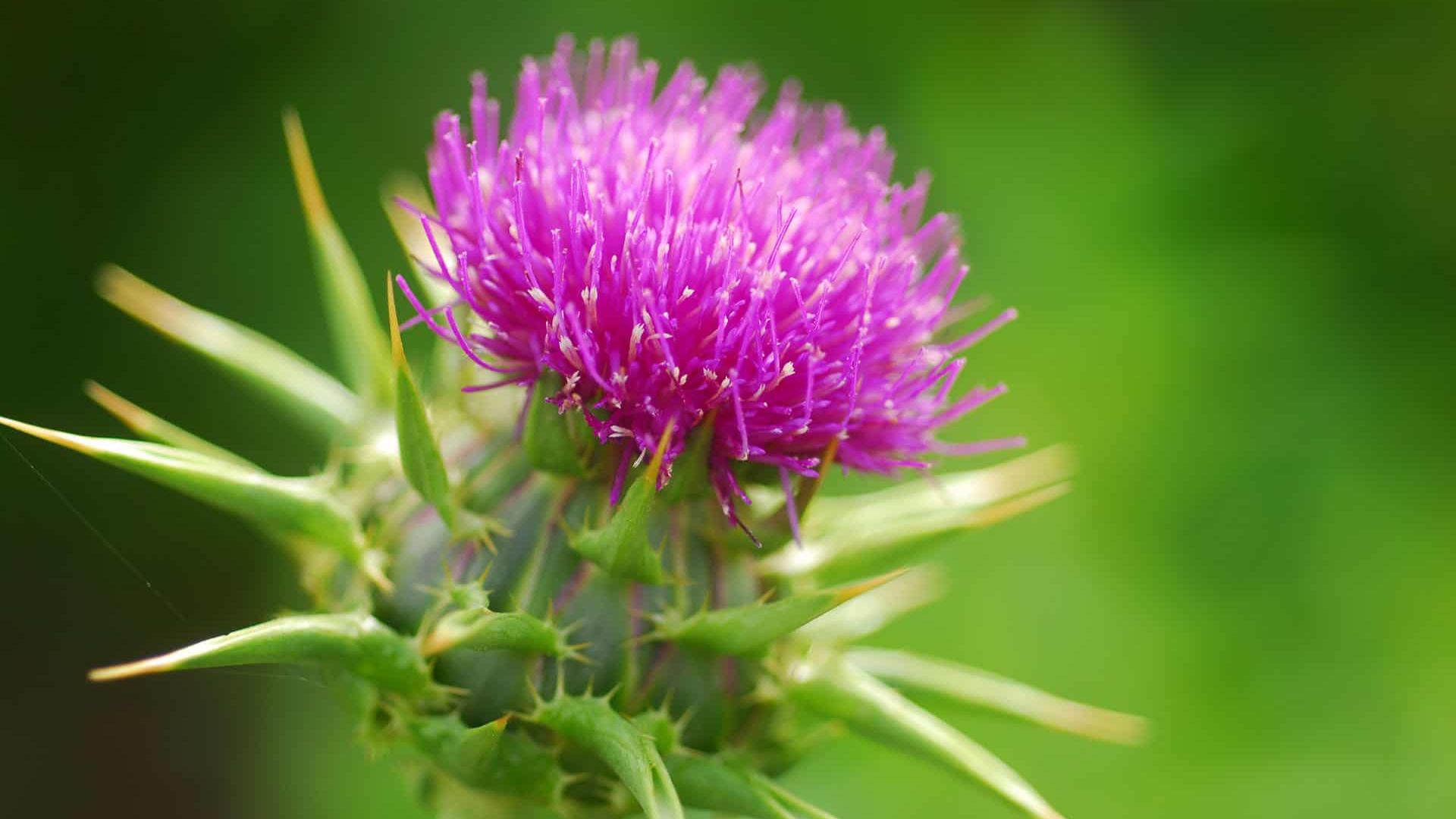
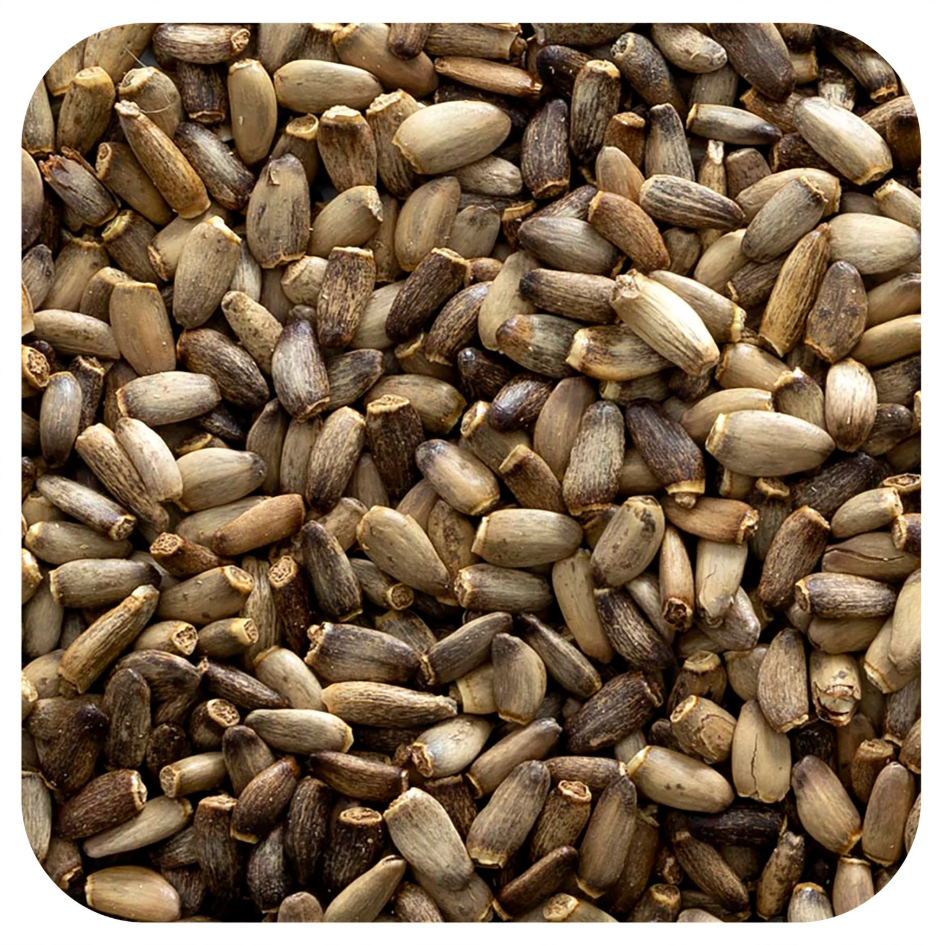


Silymarin is the primary active compound found in milk thistle (Silybum marianum) seeds, making up about 70–80% of the seed’s flavonolignans. It is known for its antioxidant and anti-inflammatory properties, and is most widely used to support liver and gallbladder health.
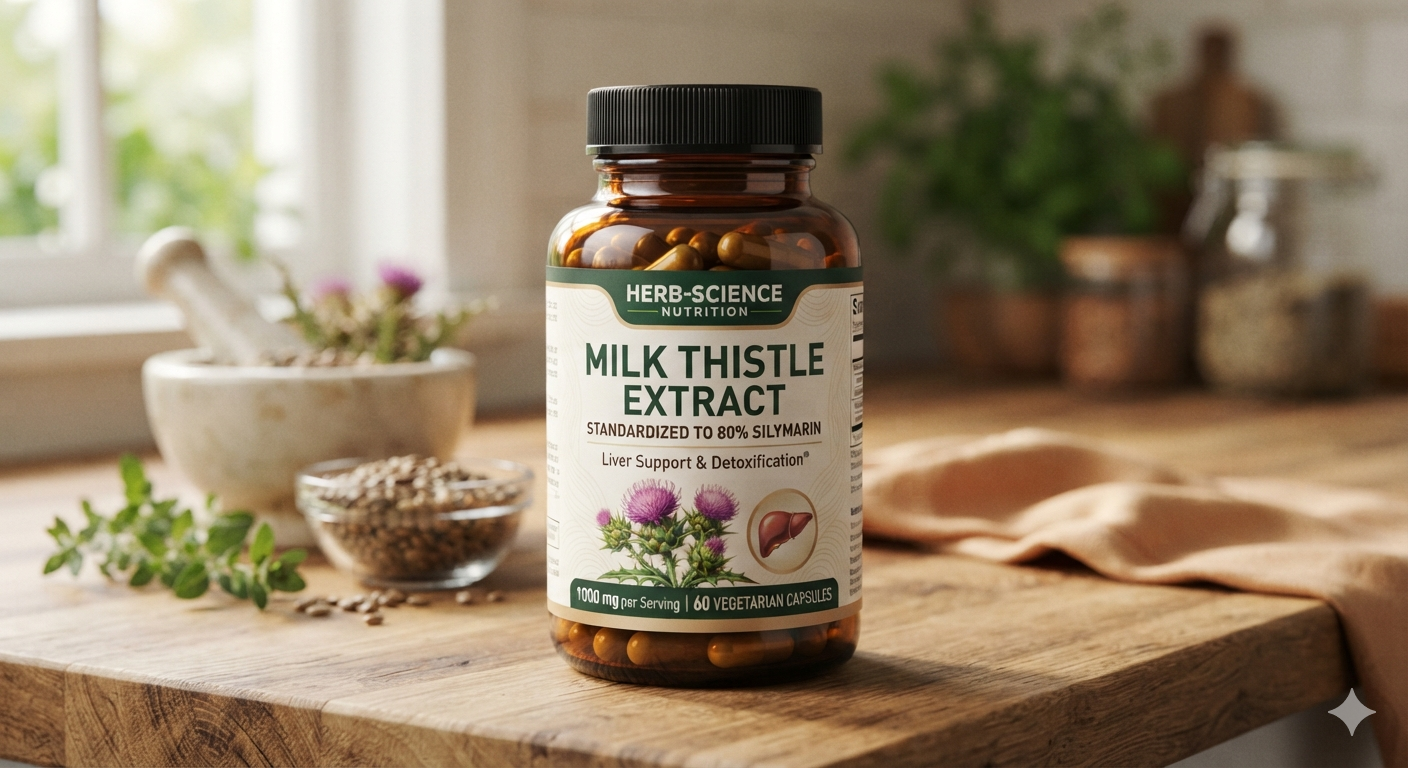
Milk thistle Extract is widely taken as a supportive supplement to protect the liver from toxin damage and aid regeneration. It is often used for conditions like fatty liver disease, hepatitis, and cirrhosis. Milk thistle Extract is primarily used in the nutraceutical, pharmaceutical, and dietary supplement industries. Beyond health supplements, the extract is also utilized in Cosmetics & Skincare and Animal Nutrition industry.
BOTANICAL ORIGIN: Silybum marianum
PLANT SOURCE: Seeds
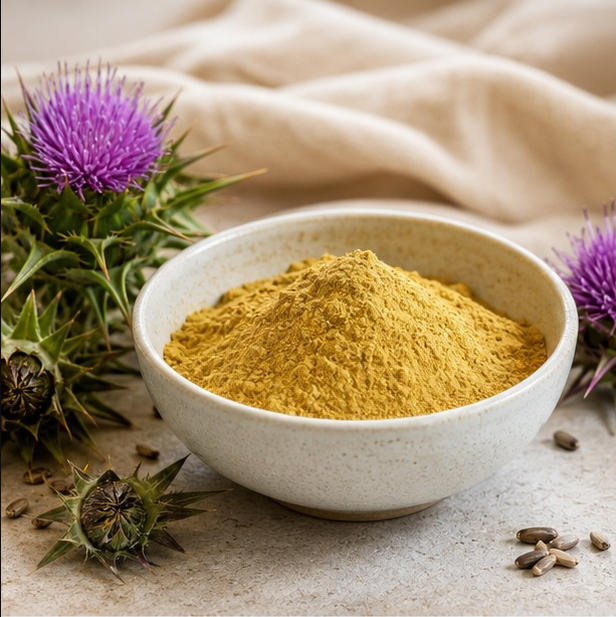
APPEARANCE: Brownish yellow to yellow powder
AVAILABLE SPECIFICATIONS: Silymarin 70~80%UV/45~60%HPLC, USP/EP/DAB
ANALYSIS METHOD: UV/HPLC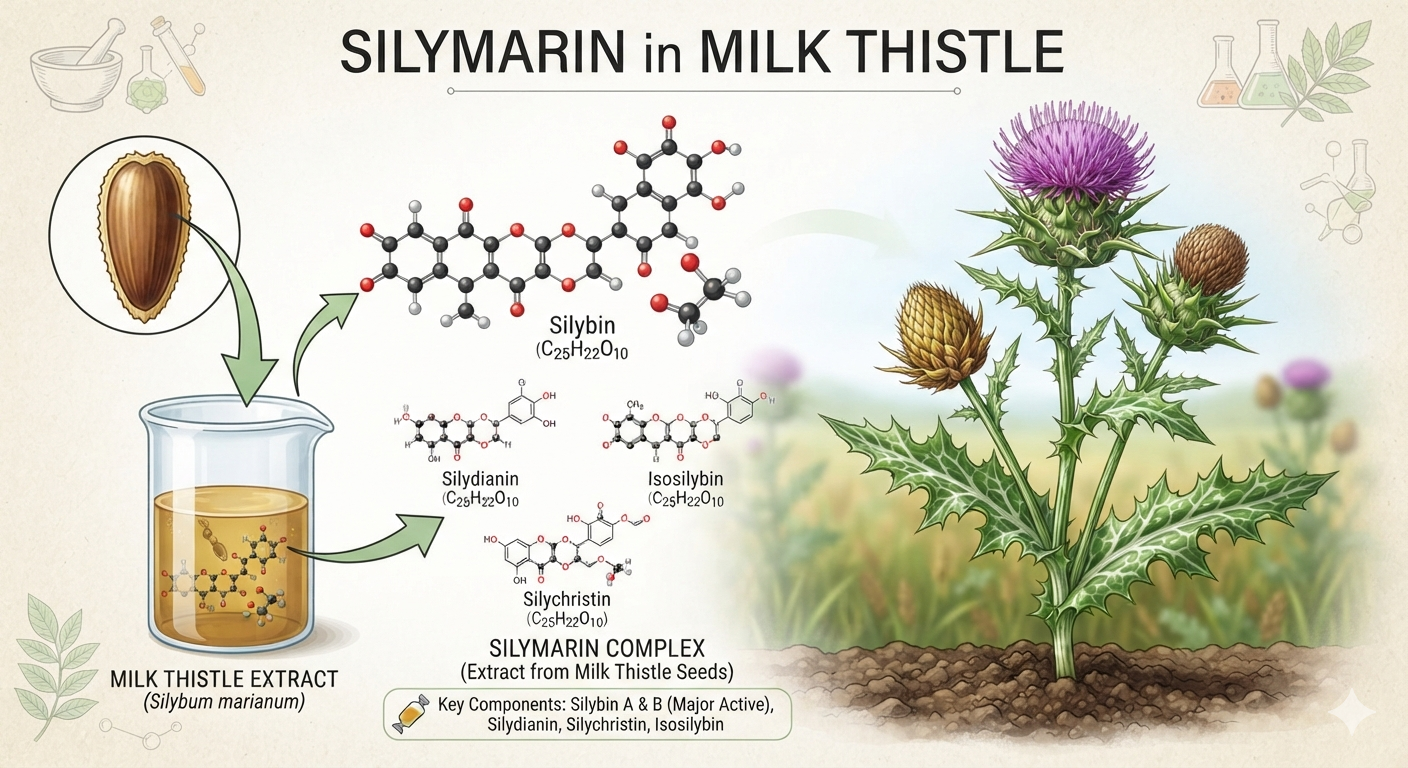
Milk thistle Extract Silymarin Primary Applications:
Liver Support: Used as a complementary therapy for conditions like cirrhosis, viral hepatitis, fatty liver disease, and toxic liver damage. Silymarin acts by protecting cell membranes and stabilizing liver enzymes.
Antioxidant and Anti-inflammatory: Silymarin’s polyphenolic flavonoid structure actively scavenges free radicals, making it useful for reducing systemic oxidative stress.
Blood Sugar Control: Early studies suggest it may help improve insulin sensitivity and glycemic control in individuals with type 2 diabetes.
Biliary and Skin Health: Historically applied for gallbladder disorders and increasingly studied for its potential to mitigate radiation-induced skin damage.
Production process of Milk thistle Extract Silymarin:
Harvesting & Cleaning-> Dehulling & Defatting -> Solvent Extraction -> Concentration -> Spray drying -> Standardization & Quality Control -> Packaging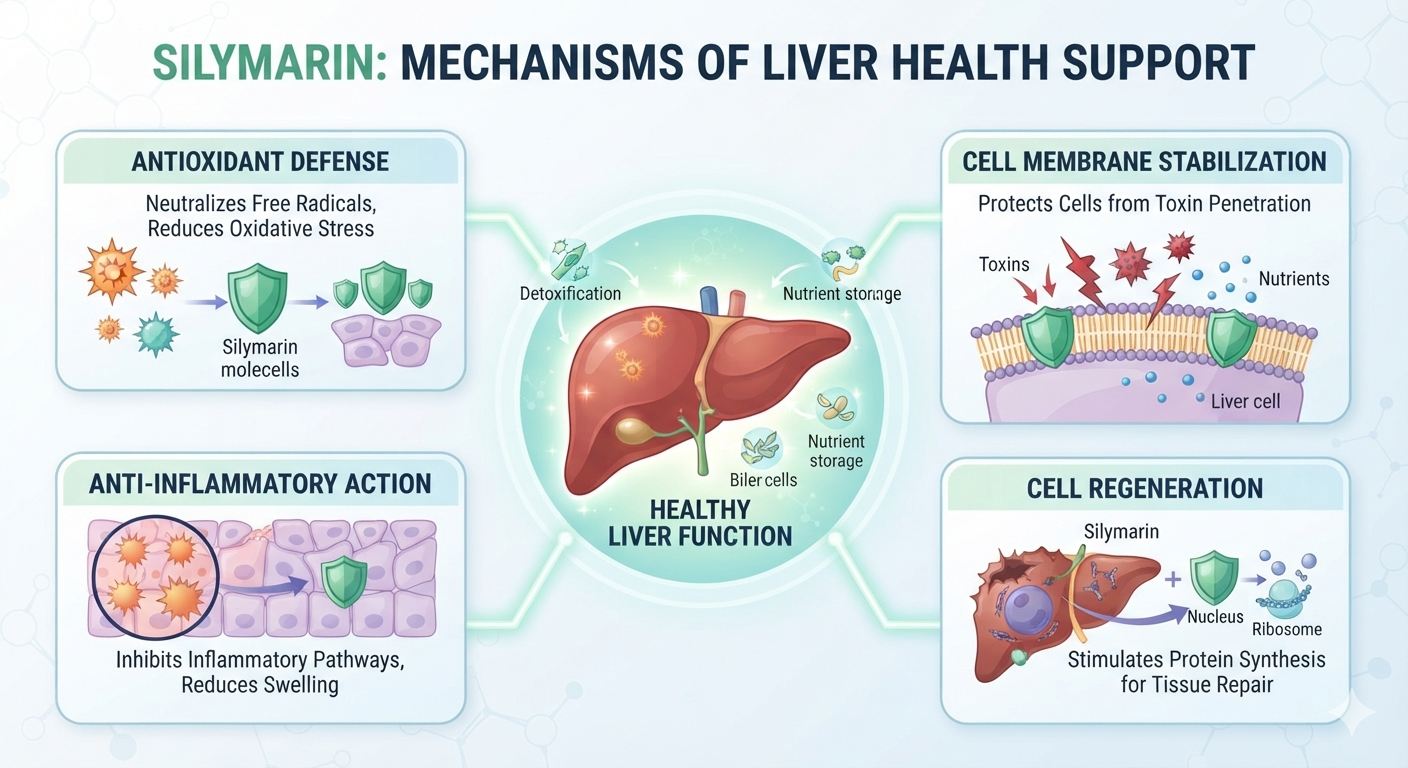
Technical data sheet of Typical specification:
| General info | |||
| Product Name | Milk thistle Extract | ||
| Botanical Name | Silybum marianum | ||
| Plant Part | Seeds | ||
| Extract Solvent | Acetone/Ethanol/Ethyl Acetate | ||
| Country of Origin | China | ||
| Assay | |||
| Silymarin | NLT 80%UV | ||
| Silibinin & Isosilibinin | NLT 30%HPLC | ||
| Physical Parameters | |||
| Identification | Positive by TLC | ||
| Appearance | Brownish red to violet red powder | ||
| Taste & Odor | Characteristic | ||
| Solubility | Practically insoluble in water | ||
| Soluble in Methanol and Acetone | |||
| Particle Size | NLT 95% pass 80mesh | ||
| Loss on Drying | NMT 5% | ||
| Sulphate Ash | NMT 0.5% | ||
| Chemical Parameters | |||
| Total heavy metals | NMT 10ppm | ||
| Arsenic (As) | NMT 1.0ppm | ||
| Lead (Pb) | NMT 2.0ppm | ||
| Cadmium (Cd) | NMT 0.3ppm | ||
| Mercury (Hg) | NMT 0.1ppm | ||
| NMT 5000ppm (Acetone) | ||
| NMT 290ppm (N-hexane) | |||
| Microbiological Parameters | |||
| Total Plate Count | NMT 1,000 cfu/g | ||
| Total Yeast & Mold | NMT 100 cfu/g | ||
| E.Coli | Negative in 1g | ||
| Salmonella | Negative in 25g | ||
| Staphylococcus | Negative in 25g | ||
| Additional info | |||
| Allergen Status | Allergens free | ||
| Irradiation Status | Irradiation free | ||
| GMO Status | GMO free | ||
| Vegan Status | Suitable for Vegaterian | ||
| TSE-BSE Status | non-TSE/BSE | ||
| Shelf Life | 24 months | ||
| Packaging | Packed in paper-drums and double layers plastic-bag inside | ||
| Storage Conditions | Store in a well-closed container away from moisture, light, oxygen | ||


评价
目前还没有评价