
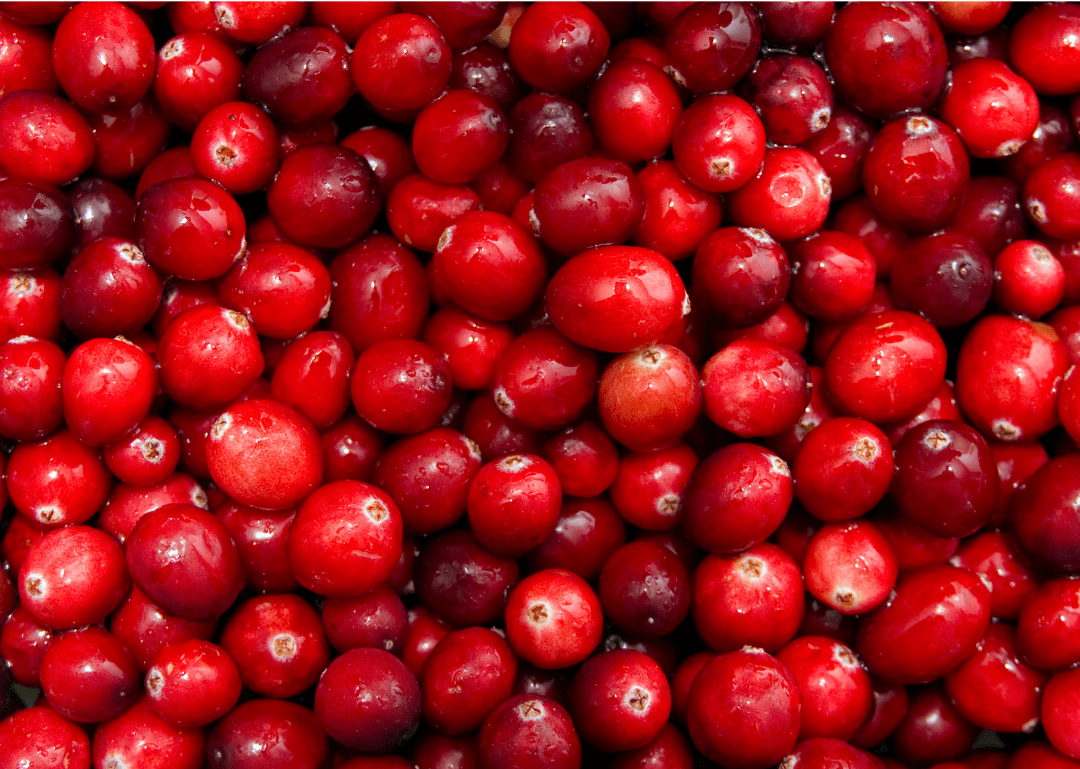
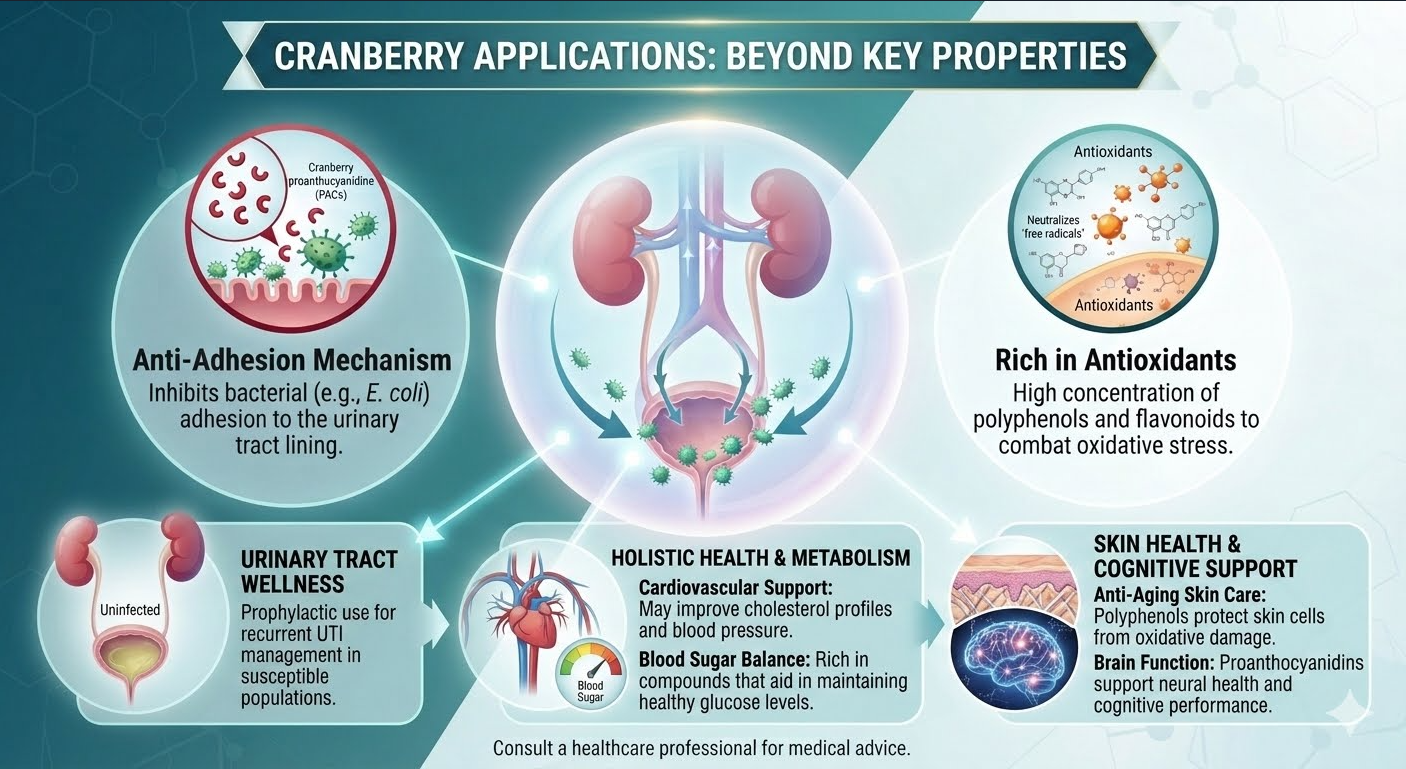
Proanthocyanidins (PACs) are a class of highly potent polyphenol antioxidants found in American cranberry (Vaccinium macrocarpon). PACs are primary bioactive compounds responsible for the fruit’s famous urinary tract health benefits. While PACs exist in many plants, cranberry PACs are structurally unique and highly prized in the medical and dietary supplement industries.
Main features and applications of cranberry proanthocyanidins (PACs) center entirely around their unique chemical structure and their ability to prevent bacterial adhesion without acting like an antibiotic.
Cranberry Extract PACs are utilized across several consumer goods industries, primarily appearing in urological health supplements, functional foods, oral hygiene products, and natural food preservatives.
BOTANICAL ORIGIN: Vaccinium macrocarpon
PLANT SOURCE: Fruits
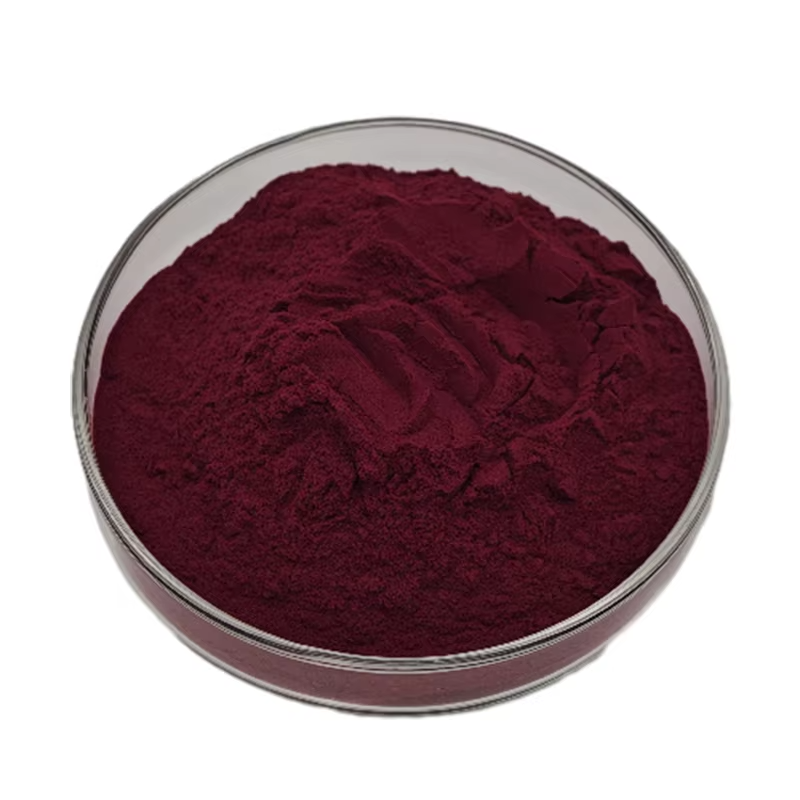
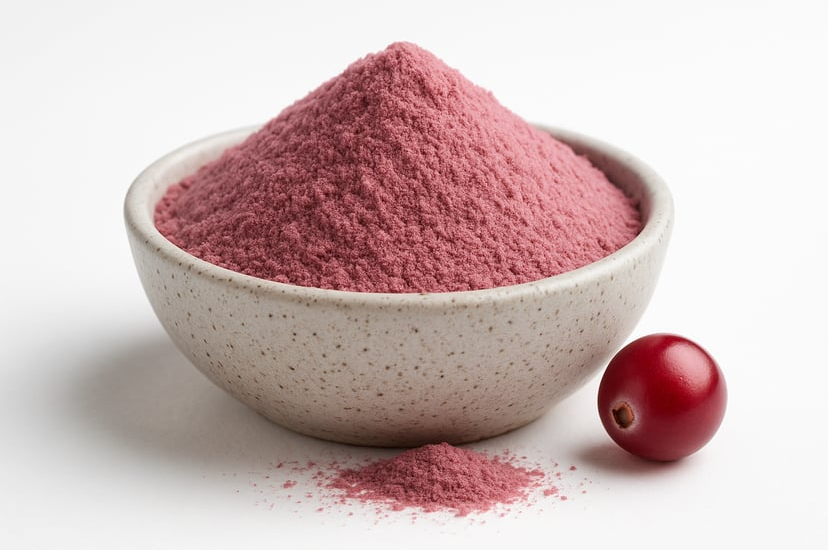
APPEARANCE: Brownish red to violet red powder
AVAILABLE SPECIFICATIONS: Proanthocyanidins 5-95% UV (Bate-smith)
ANALYSIS METHOD: UV Bate-smith
Cranberry Extract Proanthocyanidins Primary Applications
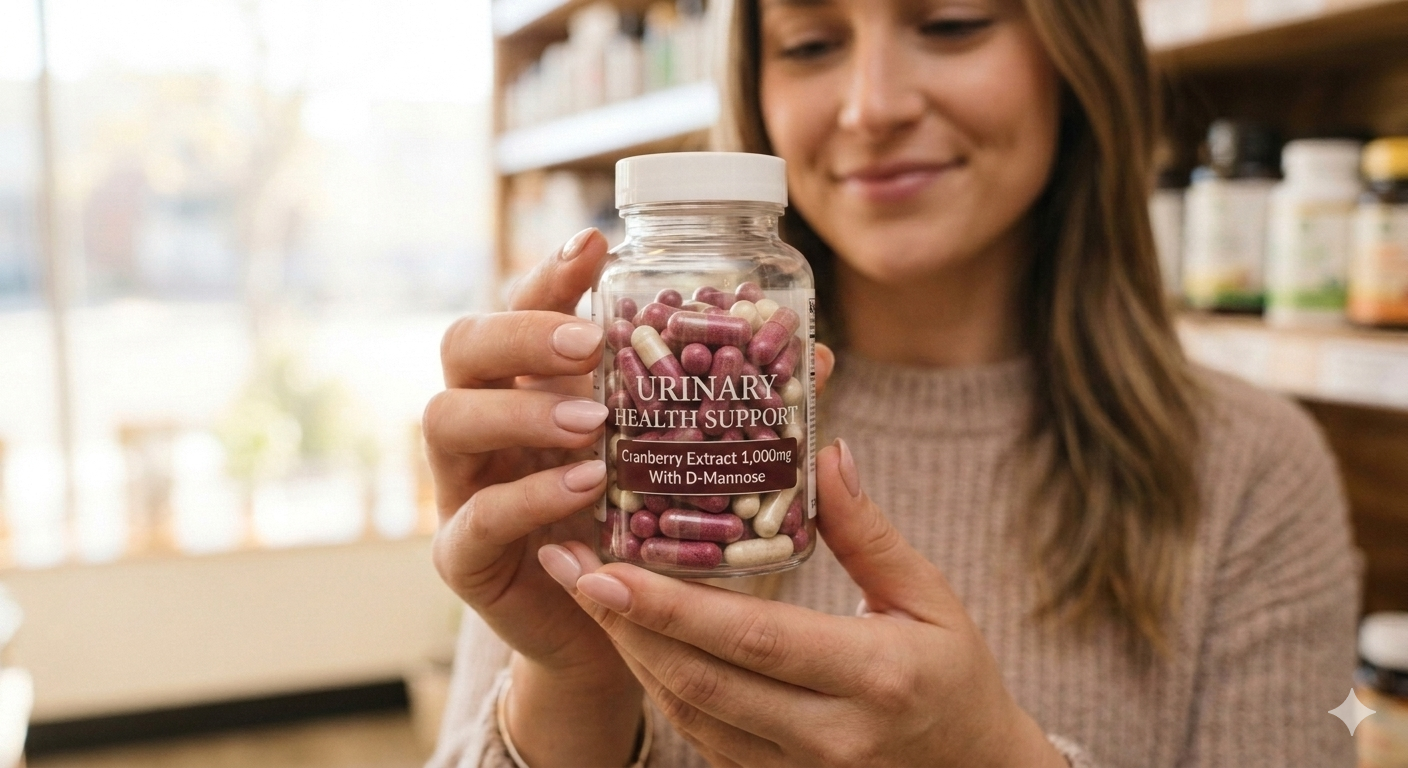
Urinary Tract Health: The specific A-type PACs found in cranberries change the surface of E. coli bacteria, preventing them from sticking to the urinary tract and bladder walls. Taking a supplement containing at least 36 mg of PACs per day is widely recognized to help prevent recurrent UTIs.
Oral Health: The same “anti-adhesion” mechanism that protects the urinary tract also stops cavity-causing bacteria (like Streptococcus mutans) from sticking to tooth enamel and gums.
Gut Microbiome & Metabolic Support: Cranberry polyphenols act as a prebiotic, promoting the growth of beneficial gut bacteria, which leads to better blood sugar control, improved intestinal barrier function, and reduced fat mass.
Cardiovascular Function: Regular consumption of cranberry extract helps reduce inflammation and oxidative stress, leading to lowered LDL (bad) cholesterol and improved arterial health.
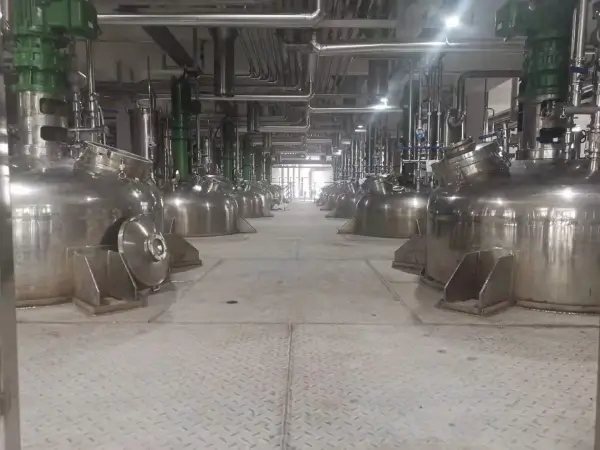
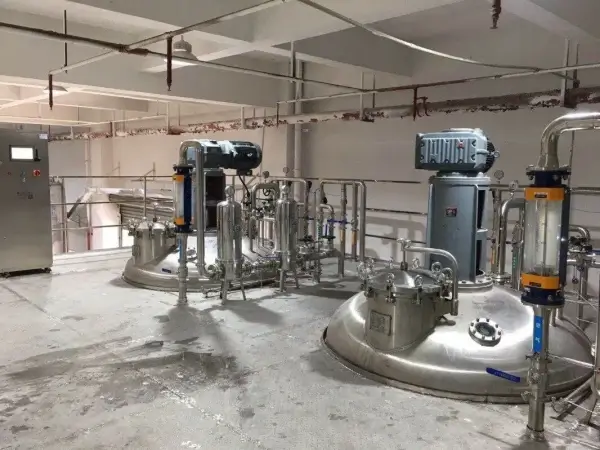
Production process of Cranberry Extract Proanthocyanidins:
Freezing preparation -> Solvent Extraction -> Acidification -> Purification -> Resin Chromatography -> Concentration -> Spray drying -> Standardization & Quality Control -> Packaging
Technical data sheet of Typical specification:
| General info | |
| Product Name | Cranberry |
| Botanical Name | Vaccinium macrocarpon |
| Plant Part | Fruits |
| Extract Solvent | Water & Ethanol |
| Country of Origin | North American |
| Assay | |
| Proanthocyanidins (PACs) | NLT 25% UV (Bate-smith) |
| Physical Parameters | |
| Identification | Positive by TLC |
| Appearance | Brownish red to violet red powder |
| Taste & Odor | Characteristic |
| Particle Size | NLT 95% pass 80mesh |
| Loss on Drying | NMT 5% |
| Ash | NMT 5% |
| Chemical Parameters | |
| Total heavy metals | NMT 10ppm |
| Arsenic (As) | NMT 1.0ppm |
| Lead (Pb) | NMT 2.0ppm |
| Cadmium (Cd) | NMT 0.3ppm |
| Mercury (Hg) | NMT 0.1ppm |
| Residual solvents (Ethanol) | NMT 5000ppm |
| Microbiological Parameters | |
| Total Plate Count | NMT 10,000 cfu/g |
| Total Yeast & Mold | NMT 1,000 cfu/g |
| E.Coli | Negative in 1g |
| Salmonella | Negative in 25g |
| Staphylococcus | Negative in 25g |
| Additional info | |
| Allergen Status | Alleergens free |
| Irradiation Status | Irradiation free |
| GMO Status | GMO free |
| Vegan Status | Suitable for Vegaterian |
| TSE-BSE Status | non-TSE/BSE |
| Shelf Life | 24 months |
| Packaging | Packed in paper-drums and double layers plastic-bag inside |
| Storage Conditions | Store in a well-closed container away from moisture, light, oxygen |

评价
目前还没有评价